Sustainable Network for agrofood loss and waste prevention, management, quantification and valorisation


5 February 2026
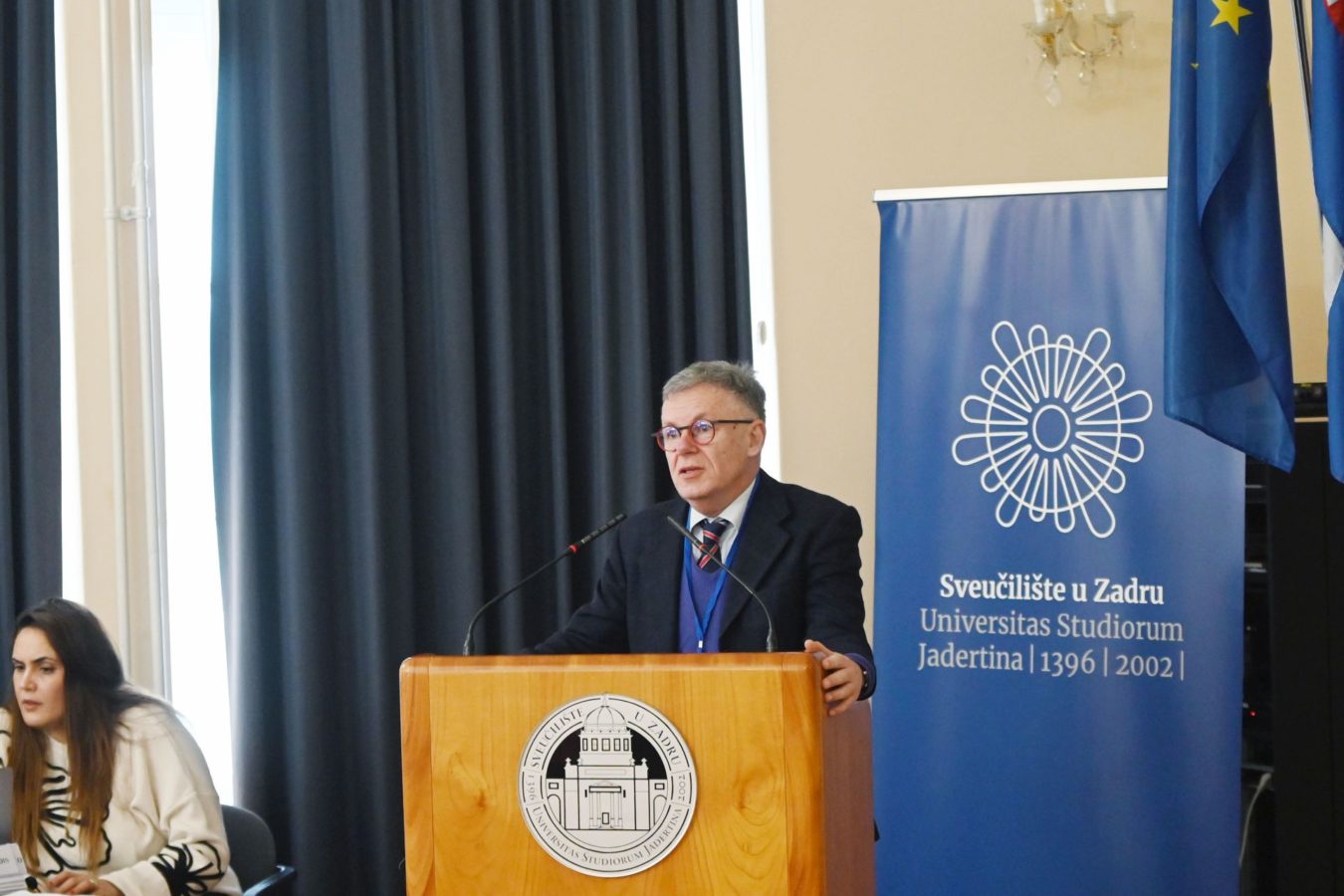
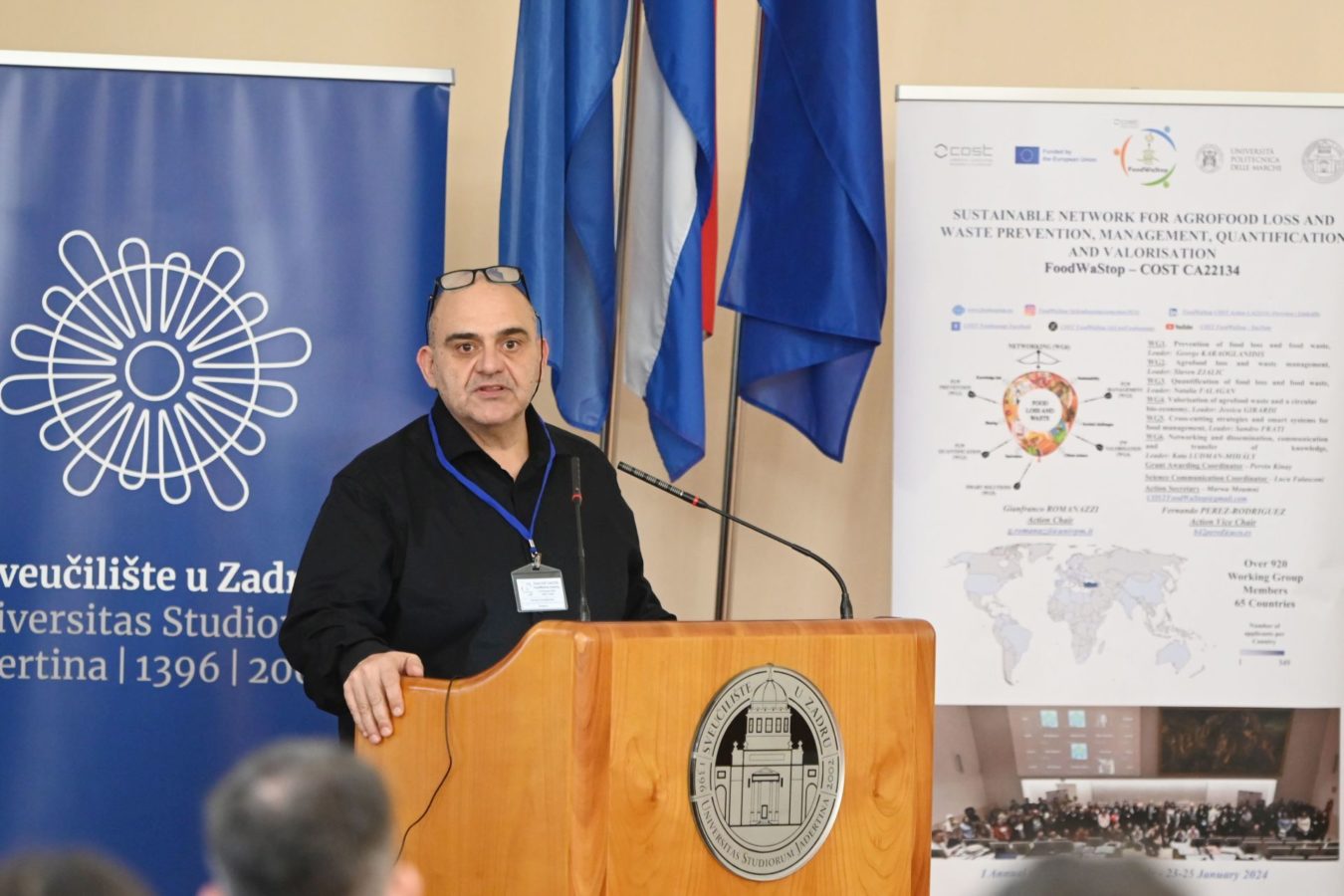
Opening and welcome address
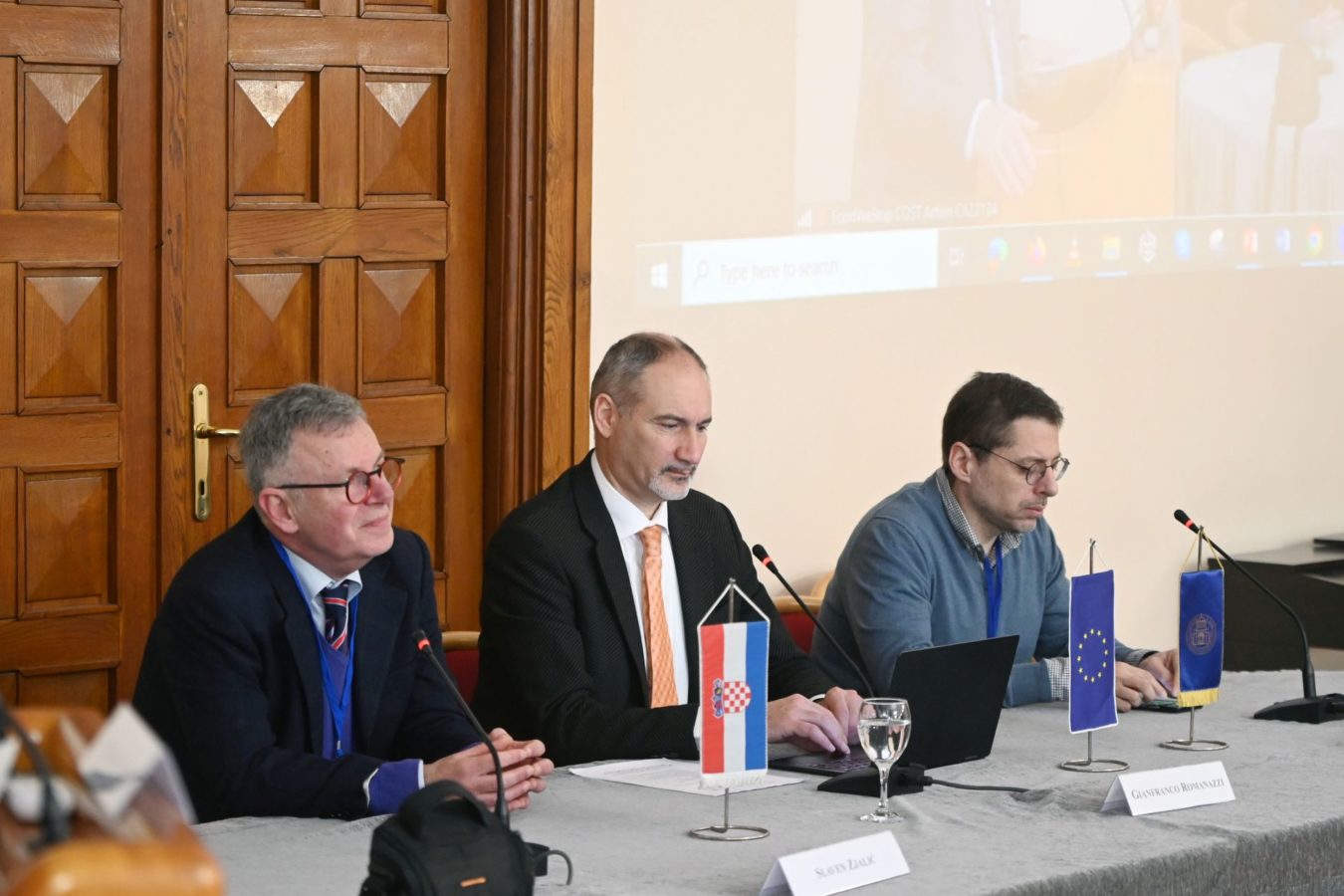
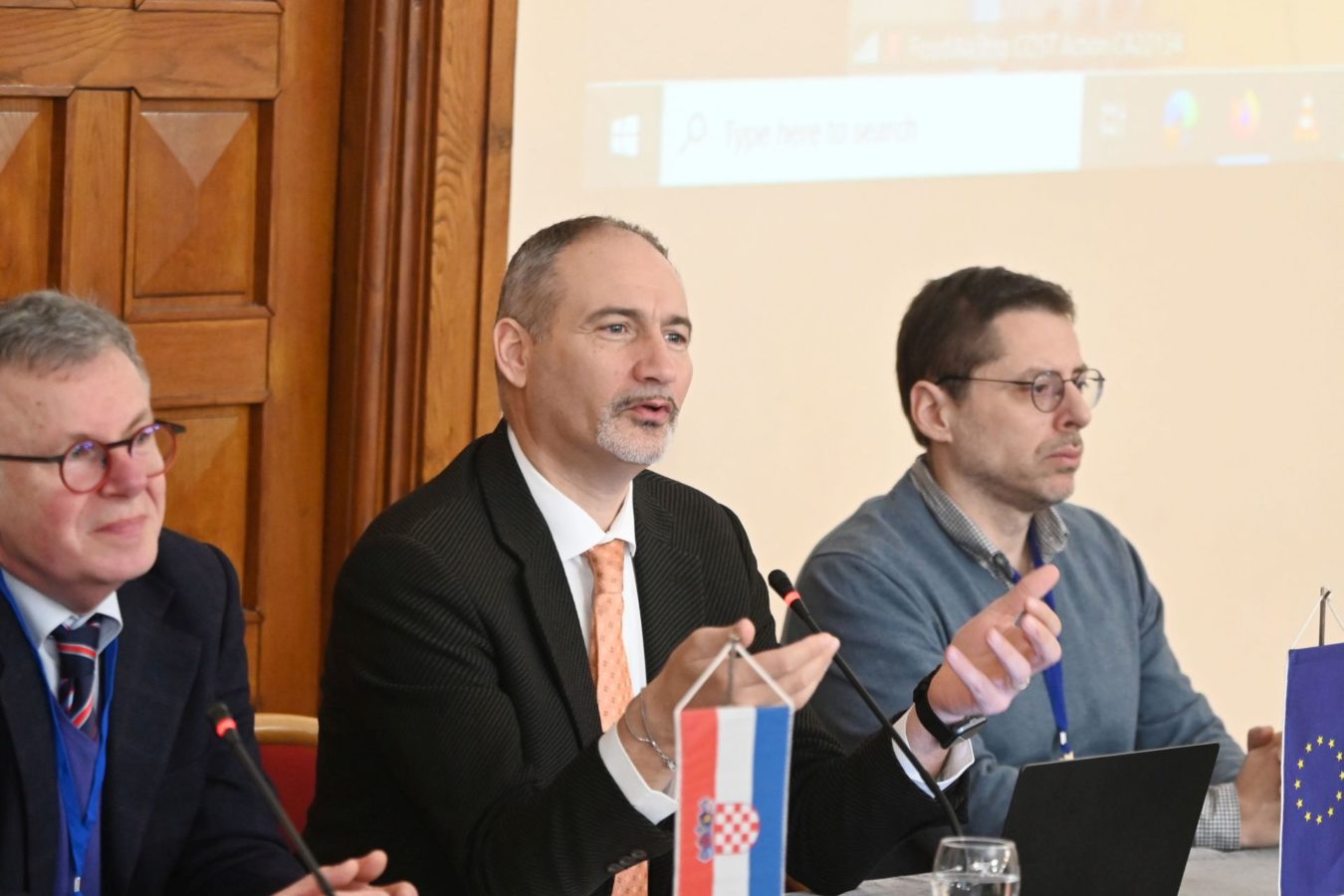
Prof. Gianfranco Romanazzi, Marche Polytechnic University, Italy – COST FoodWaStop Action Chair
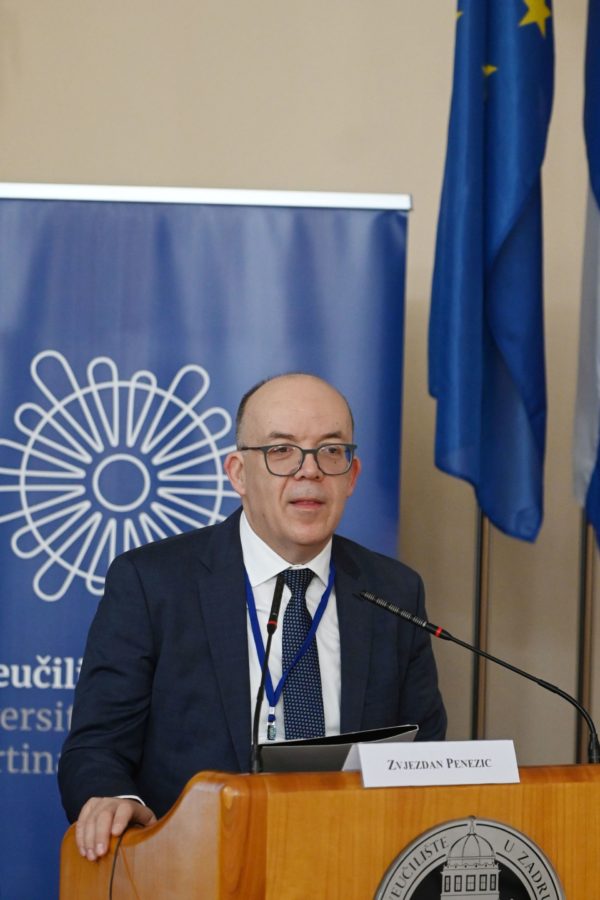
Prof. Zvjezdan Penezic, University of Zadar, Croatia – Vice Rector for Science and Information Infrastructure
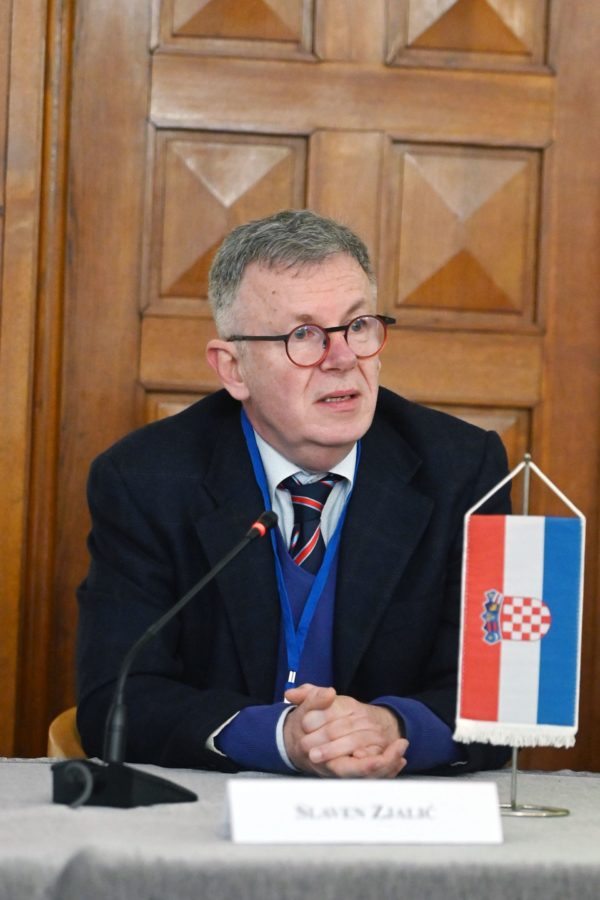
Prof. Slaven Zjalic, University of Zadar, Croatia – Local organizer
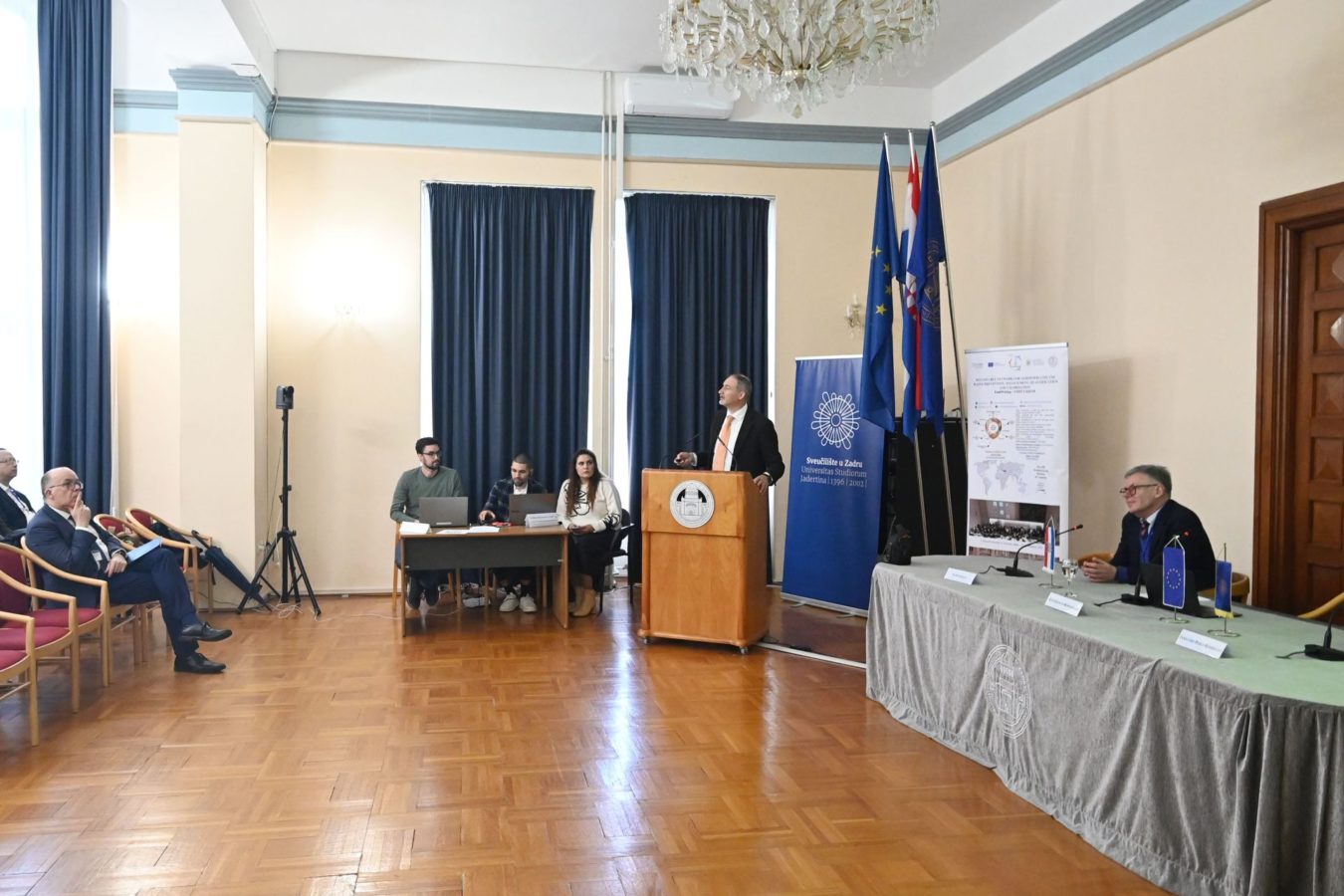
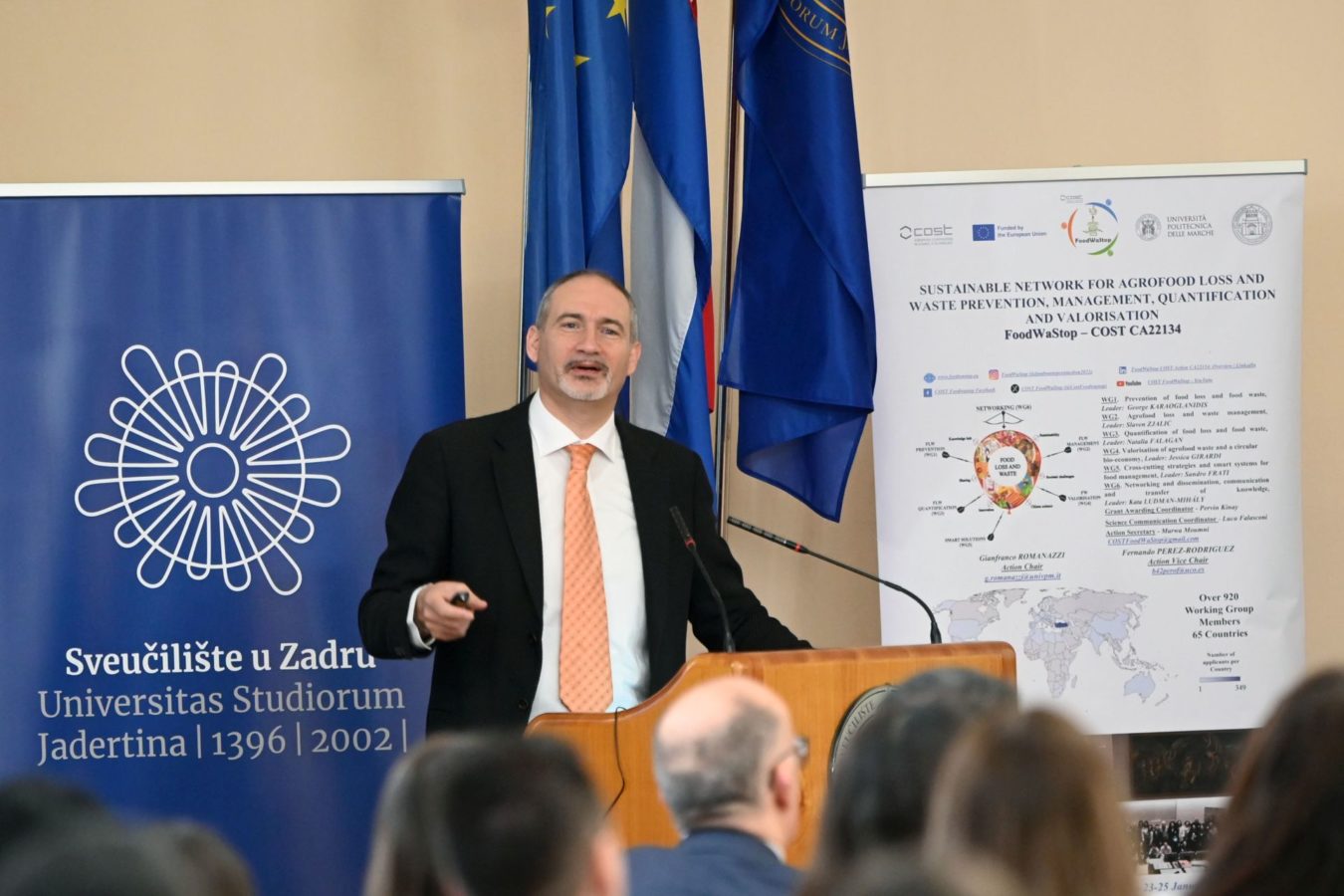
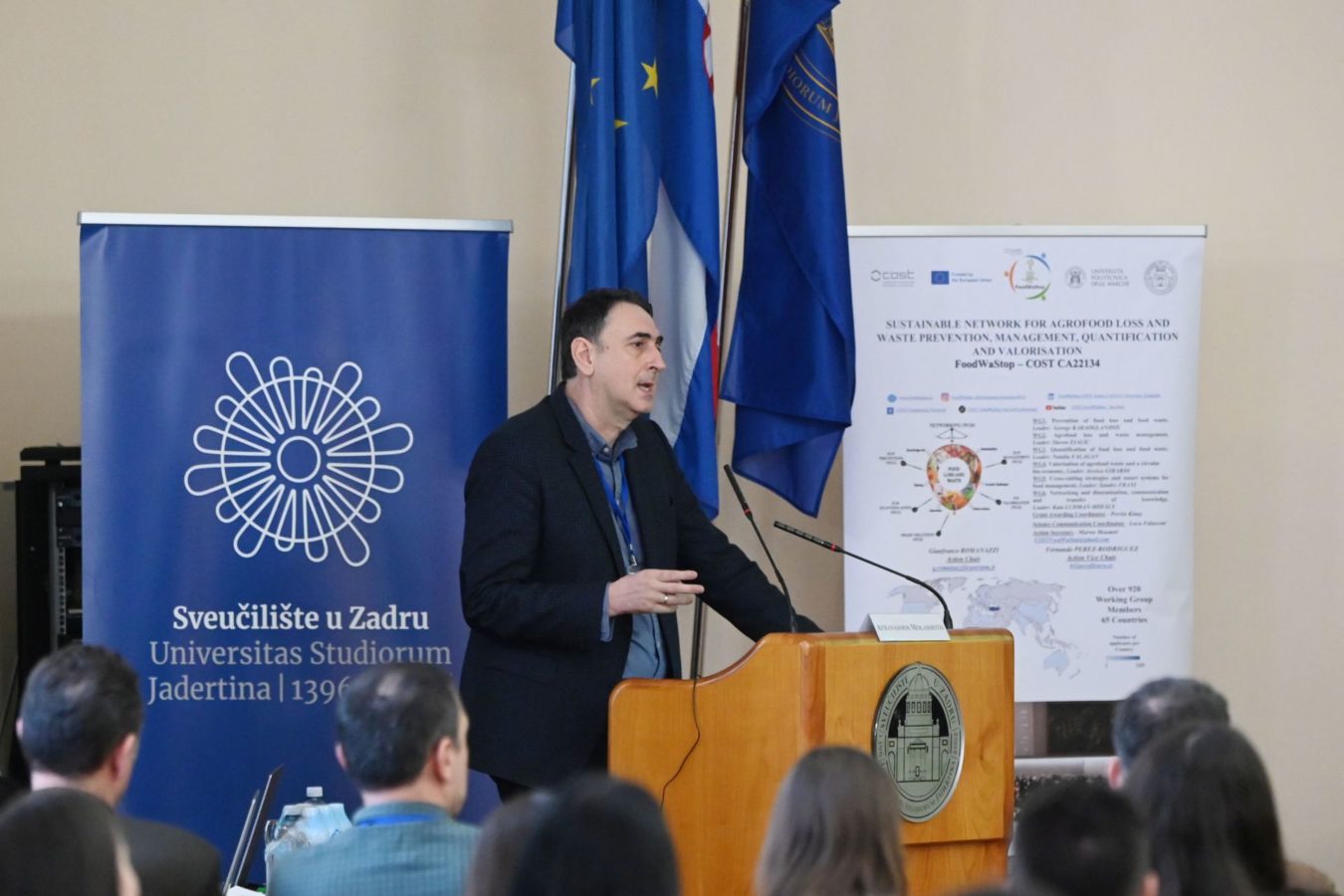
COST Action “Sustainable Network for agrofood loss and waste prevention, management, quantification and valorisation, FoodWaStop”: state of the art Romanazzi G.1, Perez-Rodriguez F.2, Moumni, M.1, D’Ortenzio A.L.1, Marche Polytechnic University, Italy1; University of Cordoba, Spain2
Oral communications WG 1. Prevention of food loss and food waste
Chairs: George Karaoglanidis & Alessandra Di Francesco
Progress on WG1 activities. Prevention of food loss and food waste. Karaoglanidis G., Aristotle University of Thessaloniki – Faculty of Agriculture, Forestry and Natural Environment, Greece
O1.1. Use of by-products for the production of pullulan for postharvest management of strawberries. Di Francesco A., University of Udine, Italy
O1.2. Quiescence in postharvest pathogens. Prusky D., Volcani Centre, Rishon LeZion, Israel
O1.3. Identification, detection and management of seedborne squash pathogens.Moumni M., Marche Polytechnic University, Italy
O1.4. Sustainable technologies for reducing postharvest fruit losses and improving quality. Molassiotis A., Aristotle University of Thessaloniki, Greece
O1.5. Inhibitory effect of soluble metabolites of Trichoderma afroharzianum on the mycelial growth of postharvest pathogens. Ludman-Mihály K., FruitVeB Hungarian Interprofessional Organization for Fruit and Vegetable, Hungary
O1.6. Control efficacy of a new SIGS-based biofungicide against Penicillium digitatum on citrus fruits. Testempasis S., University of Western Macedonia, Greece
Oral communications WG 2. Agrofood loss and waste management
Chairs: Slaven Zjalic & Lluís Palou
Progress on WG2 activities. Agrofood loss and waste management. Zjalic S., University of Zadar, Croatia
O2.1. Management of postharvest decay of fresh citrus fruits without using conventional chemical fungicides. Palou L., Valencian Institute of Agrarian Research, Spain
O2.2. Broad-range Trichoderma-based biocontrol to reduce preharvest fruit loss caused by walnut fruit rot pathogens. Karaffa E., Hungarian Chamber of Professionals and Doctors of Plant Protection, Hungary
O2.3. Physico-chemical characterization and antifungal activity of Tunisian marine macroalgae against Botrytis cinerea. Karoui E., University of Sfax, Tunisia
Video recording of the first session. YouTube link: https://youtu.be/ZJ9hnAxfKQA
Oral communications WG 3. Quantification of food loss and food waste
Chairs: Luca Falasconi & Fernando Perez-Rodriguez
Progress on WG 3 activities. Quantification of food loss and food waste. Perez-Rodriguez F., University of Cordoba, Spain
O3.1. Results of questionnaire on food waste. Falasconi L., University of Bologna, Italy
O3.2. Quantifying food loss and waste in Turkey: a critical step towards achieving climate targets.Eren Z., Ataturk University. Turkey
Oral communications WG 5. Cross-cutting strategies and smart systems for food management
Chairs: Sandro Frati & Marwa Moumni
Progress on WG 5 activities. Cross-cutting strategies and smart systems for food management. Frati S.,Triferto, Belgium
O5.1. Regulatory framework of plant protection products and biostimulants. Frati S.,Triferto, Belgium
O5.2. Intelligent systems for food waste management. Wang Y., University of Bedfordshire, UK
Oral communications on WG 4. Valorisation of agrofood waste and a circular bio-economy
Chairs: Jessica Girardi & Sarah Milliken
Progress on WG 4 activities. Valorisation of agrofood waste and a circular bio-economy. Girardi J., Nodibinajums Baltic Studies Centre, Latvia
O4.1. FoodWaStop Guidelines for valorisation of fruit, vegetable, cereal and animal product processing side-streams – an update. Abrankó L., Institute of Food Science and Technology, Budapest, Hungary
O4.2. Interaction of polyphenols with a biomimetic membranes system. Russo D., CNR-Istituto Officina dei Materiali, Grenoble, France
O4.3. Trials for scaling up valuable compound recovery from distillery vinasse. Guerrini L., University of Padua, Italy
Video recording of the second session. YouTube link: https://youtu.be/QilA_maJKmc
6 February 2026
O4.4. Green valorization of quince (Cydonia oblonga) waste using Natural Deep Eutectic Solvent by ultrasonic-assisted extraction. Koraqi H., University for Business and Technology (UBT), Pristina, Kosovo
O4.5. A citrus by-product bioformulation (Bioact-LM) to control blue mold and brown rot in postharvest value chain. Riolo M., University of Catania, Italy
O4.6. Turning Pomegranate By-Products into Sustainable Protein Sources. Sar T., University of Borås, Sweden
O4.7. From waste to value: the use of black soldier fly larvae in agrofood waste management to produce protein and promote circular bioeconomy. El Yaacoubi A., University Sultan Moulay Slimane, Morocco
O4.8. Ultrasound-assisted extraction of oils from berry seeds: A sustainable approach to agrofood waste valorisation.Piasecka-Lenartowicz I., Warsaw University of Life Sciences, Poland
O4.9. Optimizing fig preservation and valorising pruning biowaste: drying performance and bioactivity of Ficus carica L. extracts. Henriques B., Polytechnic University of Viseu, Portugal
O4.10. Sustainable alternative food resources for future food by widening innovation into new composites with improved health-promoting properties. Stănciuc N., University of Galati, Romania
O4.11. From waste to functional materials: biopolymer materials synthesis in the framework of a circular economy. Pantić J., University of Novi Sad, Serbia
Oral communication on WG 6. Networking and dissemination, communication and transfer of knowledge
Chairs: Kata Ludman-Mihály & Gianfranco Romanazzi
Progress on WG6 activities.Networking and dissemination, communication and transfer of knowledge. Ludman-Mihály K., FruitVeB Hungarian Interprofessional Organization for Fruit and Vegetable, Hungary
O6.1. Sustainable Food Awareness Network (S-FAN): Study design. Detopoulou P., University of Peloponnese, Kalamata, Greece
Video recording of the third session. YouTube link: https://youtu.be/z3pRzYZR4m8
Video recording of the fourth session. YouTube link: https://youtu.be/69_EzcBHX14
Posters
WG 1. Prevention of food loss and food waste
P1.1. Drivers of consumer food waste in urban restaurants in Kosovo: a behavioural perspective using the theory of planned behaviour.Mestani M., Faculty of Food Science and Biotechnology, Kosovo
P1.3. Valorization mediterranean fruit waste: environmental perspectives and circular bioeconomy opportunities. Hasalliu R., Agricultural University of Tirana, Albania
P1.4. Basic substances for grapevine protection against downy mildew and powdery mildew. Piancatelli S., Marche Polytechnic University, Italy
P1.5. Strategies for preventing food loss and food waste in modern food systems. Çelebi Y., Uşak University, Turkey
P1.6. Use of biopolymeric nanocapsules containing eugenol in nectarine coatings for the control of Monilinia fructicola. Jacumazo J., Marche Polytechnic University, Italy
P1.7. Valorization of wasted artichoke leaves for herbal beverage production and in vitro gastrointestinal stability of bioactive components. Suna S., Bursa Uludag University, Turkey
P1.8. Sustainable fluorine-free hydrophobic coatings to minimize food residue. Gürsoy M., Konya Technical University, Turkey
P1.9. Use of essential oils for the control of gray mold on strawberries. D’Ortenzio A.L., Marche Polytechnic University, Italy
WG 2. Agrofood loss and waste management
P2.2. Assessment of food waste in gastronomy businesses: a case study from the Prishtina region, Kosovo. Mestani F., University of Bitola, North Macedonia
P2.5. Use of rice straw an agricultural waste in ruminant feeding. Hacisalihoğlu S., Uşak University, Turkey
P2.6. Preparation and characterization of antioxidant peptides from agricultural organic waste carrot tissues. Ekinci D., Department of Agricultural Biotechnology, Turkey
P2.7. Present state and future of management of biodegradable waste in north macedonia – approaching to EU Regulatives. Stojanovski S., Hydrobiological Institute Ohrid, North Macedonia
P2.8. Nettle biomass as a sustainable biofertilizer: enhancing soil health and supporting circular agriculture. Muntaha S.T., Lithuanian Research Centre for Agriculture and Forestry, Lithuania
P2.9. Energy potential of nut shell biomass within the framework of the circular bioeconomy. Matin A., University of Zagreb Faculty of Agriculture, Croatia
WG 3. Quantification of food loss and food waste
P3.1. Quantitative assessment of production losses and waste valorization potential in the Georgian grape variety Saperavi. Aplakov V., Akaki Tsereteli State University, Georgia
WP4. Valorisation of agrofood waste and a circular bio-economy
P4.1. Evaluation of agri-food sector byproducts and their used under the “One Health” approach. Moreno Rojas J.M., Andalusian Institute of Agricultural and Fisheries Research and Training, Spain
P4.2. Chlorogenic and caffeic acid recovery from sunflower cake: a step towards circular bio-economy. Grahovac N., Institute of Field and Vegetable Crops, Serbia
P4.5. Bioethanol Production from Vegetable and Cereal Kitchen Waste. Miljić U., University of Novi Sad, Serbia
P4.6. Valorization of raspberry pomace as waste product innovative extraction and encapsulation technologies. Ćujić Nikolić N., Institute for Medicinal Plant Research, Serbia
P4.7. Spray drying as a method of choice for obtaining high quality products from waste pear cake. Krivošija S., University of Novi Sad, Serbia
P4.8. Electrospun nanofibers loaded with anthocyanins: A novel approach to chokeberry fruit waste valorization. Radan M., Institute for Medicinal Plants Research, Serbia
P4.9. Innovative use of supramolecular solvents for sustainable astaxanthin recovery from freeze-dried salmon waste. Vlaović I., University of Novi Sad, Serbia
P4.10. Green valorization of ScCO₂-derived elderberry flower and Pannonian thyme waste using ultrasound extraction and spray drying. Simić S., University of Novi Sad, Serbia
P4.11. Food waste management in urban households: Insights from Kosovo. Bytyqi H., University of Prishtina. Kosovo
P4.12. Microbial chain elongation for caproic acid production using waste-derived biochar. Demirci B., Ege University, Turkey
P4.13. Valorization of artichoke residual waste through one-pot extraction of phenolic compounds and inulin via ultrasound and microwave assisted techniques. Shaukat M.N., University of Foggia, Italy
P4.14. The antimicrobial effects of extracellular vesicles and extracts obtained from viticulture waste. Dinu L.-D., University of Agricultural Sciences and Veterinary Medicine of Bucharest, Romania
P4.15. Valorising food waste with insects: a protocol for cross country comparative research. Milliken S., University of Greenwich, United Kingdom
P4.16. Valorization of agro-food waste into activated carbon for wastewater treatment: A circular bio-economy approach supporting food loss and waste prevention. Yilmaz M., Osmaniye Korkut Ata University, Turkey
P4.17. Valorization of moroccan avocado seeds: extraction efficiency, bioactive compounds, and antiaging activities. El Aouad N., Abdelmalek Essaadi University, Morocco
P4.18. Sensory evaluation and consumer attitudes toward oat – plant based milk alternatives: factors influencing market acceptance.Trajkovska B., University st. Kliment Ohridski, North Macedonia
P4.19. Efficacy of compost to reduce metal uptake and animal health risks in maize grown in different-pH polluted Italian soils. Ullah S., Lithuanian Research Centre for Agriculture and Forestry, Lithuania
P4.20. Assessment of black cumin cake as a sustainable plant protein source. Çalişkan Koç G., Uşak University, Turkey
P4.21. Valorization of garlic peel waste: ultrasound-assisted natural deep eutectic solvent extraction of phenolics and antioxidants and assessment of their in vitro bioaccessibility. Kamiloglu S., Bursa Uludag University, Turkey
P4.24. Co-creating new upcycled foods with irish consumers. Nnadiegbulam J., University College Dublin, Ireland
P4.26. Response surface optimisation of oleogel-based beef burgers using upcycled grapeseed oil: impact on quality attributes and cooking characteristics. Lin Z., University College Dublin, Ireland
P4.27. Sustainable valorization of brazilian nuts in gluten-free cookie formulations. Nakov G., Technical University of Sofia, Bulgaria
P4.28. Biorefining hemp processing by-products by supercritical CO2, pressurized liquid, and enzyme-assisted extractions for the recovery of value-added ingredients. Imamou Hassani M., Kaunas University of Technology, Lithuania
P4.29. Biotransformation of Chlorella vulgaris Through Lactic Acid Fermentation for Improved Functional Value in Food Applications. Bilgin H., Kaunas University of Technology, Lithuania
P4.30. Screening of natural deep eutectic solvents for selective extraction of antioxidant rich fractions from Paeonia spp. Abbas S., Kaunas University of Technology, Lithuania
P4.31. Sustainable bioprocessing of microalgal phycocyanin via fermentation and freeze-drying encapsulation: In Vitro digestion and storage stability for functional food applications. Aboobacker S., Kaunas University of Technology, Lithuania
P4.32. Production of food waste derived – graphitic porous carbon as anode electrode for supercapacitors. Duman G., Ege University, Turkey
P4.35. Biocompatible ionic liquids for green valorization of raspberry pomace. Trtić-Petrović T., University of Belgrade, Serbia
P4.36. Synergistic phenolic transfer from EVOOs and upcycled pomace flour improves oxidative stability and sensory quality in air-fried foods. Marx Í.M.G., University of Cordoba, Spain
P4.37. Designing PVA-CNF-MOF composite films for active packaging: improving mechanical strength, barrier properties, and stability in fresh produce preservation. Espinosa E., University of Cordoba, Spain
P4.38. Optimization of Reusable NADES formulations to enhance the recovery, stability and bioactive properties of anthocyanins from vegetal biomass. Henares M., University of Cordoba, Spain
P4.39. Tailoring curcumin bioaccessibility through wheat-straw (Ligno) cellulose nanofiber-stabilized pickering emulsion. Rincón E., University of Cordoba, Spain
P4.40. Valorization of prickly pear seeds in the formulation of biscuits: modelling of consumer acceptability by regression analysis and artificial neural networks. Ennouri M., University of Monastir, Tunisia
P4.41. From Waste to Value: Mandarin Peel Powder in Cookies. Mestani M., Faculty of Food Science and Biotechnology, Kosovo
P4.42. Mustard by-products as a source of selenium and bioactive compounds (glucosinolates and isothiocyanates). Cámara-Martos F., University of Cordoba, Spain
P4.43. Upcycling fish side streams into protein hydrolysates using nanofiltration technology.Moirangthem K.,Norwegian Institute of Food, Fisheries and Aquaculture Research, Norway
P4.44. Development of micro fibrillated cellulose-based films from artichoke wastes.Harsa S.,Izmir Institute of Technology, Izmir, Turkey
P4.45. The effect of bio-solid and tea waste applications on erosion ratio index of eroded soils.Yakupoglu T.,Yozgat Bozok University, Yozgat, Turkey
WG 5. Cross-cutting strategies and smart systems for food management
WG6. Networking and dissemination, communication and transfer of knowledge
P6.1. The multidimensional impacts of tourism on quality of life: A food waste–oriented perspective. Solunoğlu A., Balıkesir University, Turkey